Two weeks ago, a friend in Bengaluru messaged me at 11:43 PM. He had just clicked "Buy Now" on a ₹62,000 laptop during a midnight flash sale. The model name sounded premium. The thumbnail looked sleek. The specs page used words like "powerful," "AI-ready," and "all-day battery." He pinged me with a single question: "Bro, did I make a mistake?"
He had. The laptop was running an Intel processor that was three generations old. It had 8GB of soldered RAM (no future upgrades possible). The "AI-ready" badge was marketing fluff — its NPU couldn't run a single Copilot+ feature. And the brand's service centre nearest to his home in Whitefield was forty-three kilometres away, in Yelahanka. He cancelled within the return window, but two days of his life were gone trying to figure out where exactly he had been outsmarted.
This guide exists so that doesn't happen to you. Buying a laptop in India in 2026 is genuinely harder than it has ever been — not because the technology is more complicated, but because the marketing has become more sophisticated. Four chip families compete on confusing names. Display specs hide behind euphemisms. "Gaming laptops" are sold with bottlenecked GPUs. And the very real DDR memory shortage is pushing prices up 15–20% through 2026, making timing as important as choice.
So let's strip away the noise. This is a long article — deliberately so. By the end, you will know exactly what to check, what to skip, what to demand, and what to ignore. You'll know which laptop fits your wallet, your work, and your city's service infrastructure. And most importantly, you will buy once, not twice.
Why This Matters More in 2026 Than Ever Before
India's laptop market just hit a record. According to IDC's full-year 2025 tracker, the country shipped 15.9 million PC units in 2025, up 10.2% year-on-year. AI-enabled notebooks alone surged 129.3% YoY. Premium notebooks priced above $1,000 grew 8.5%. The Indian buyer is buying more, spending more, and demanding more — and brands know it.
But here's the catch. The same trackers warn that 2026 will see a 7–8% volume decline, driven not by demand collapse but by component price hikes. Navkendar Singh, IDC's senior research manager for India, has publicly stated that PC prices rose over 10% YoY in 2025 and "may increase another 15–20%" through 2026. DDR5 memory prices have already jumped 2.5–3x since late 2025. That ₹55,000 laptop you're eyeing? It might be ₹65,000 by Diwali.
15.9M
PC units shipped in India in 2025 (IDC)
10.2%
YoY growth in 2025
129%
Surge in AI-enabled notebook shipments
18%
Flat GST rate on laptops under HSN 8471
29.1%
HP's share of the Indian PC market
40+ TOPS
NPU floor for a Copilot+ PC
💡The 2026 reality check
The right laptop for an Indian buyer in 2026 is decided by three filters, in this order: (1) the NPU tier — Copilot+ certified or not; (2) the RAM floor — 16GB is the new minimum, 8GB is obsolete on Windows; (3) the brand's service network reach in your specific city. Everything else — CPU GHz, RGB lighting, fingerprint readers — is downstream of those three.
The 2026 Processor Landscape Decoded
Walk into any laptop store in India today and you will face a wall of acronyms. Core Ultra Series 2. Ryzen AI 300. Snapdragon X Elite. Apple M5. A18 Pro. Each chip family has its own naming logic, its own NPU rating, its own ideal use case — and salespeople will rarely explain the differences honestly. Here is what each one actually means, stripped of marketing.
Intel Core Ultra Series 2
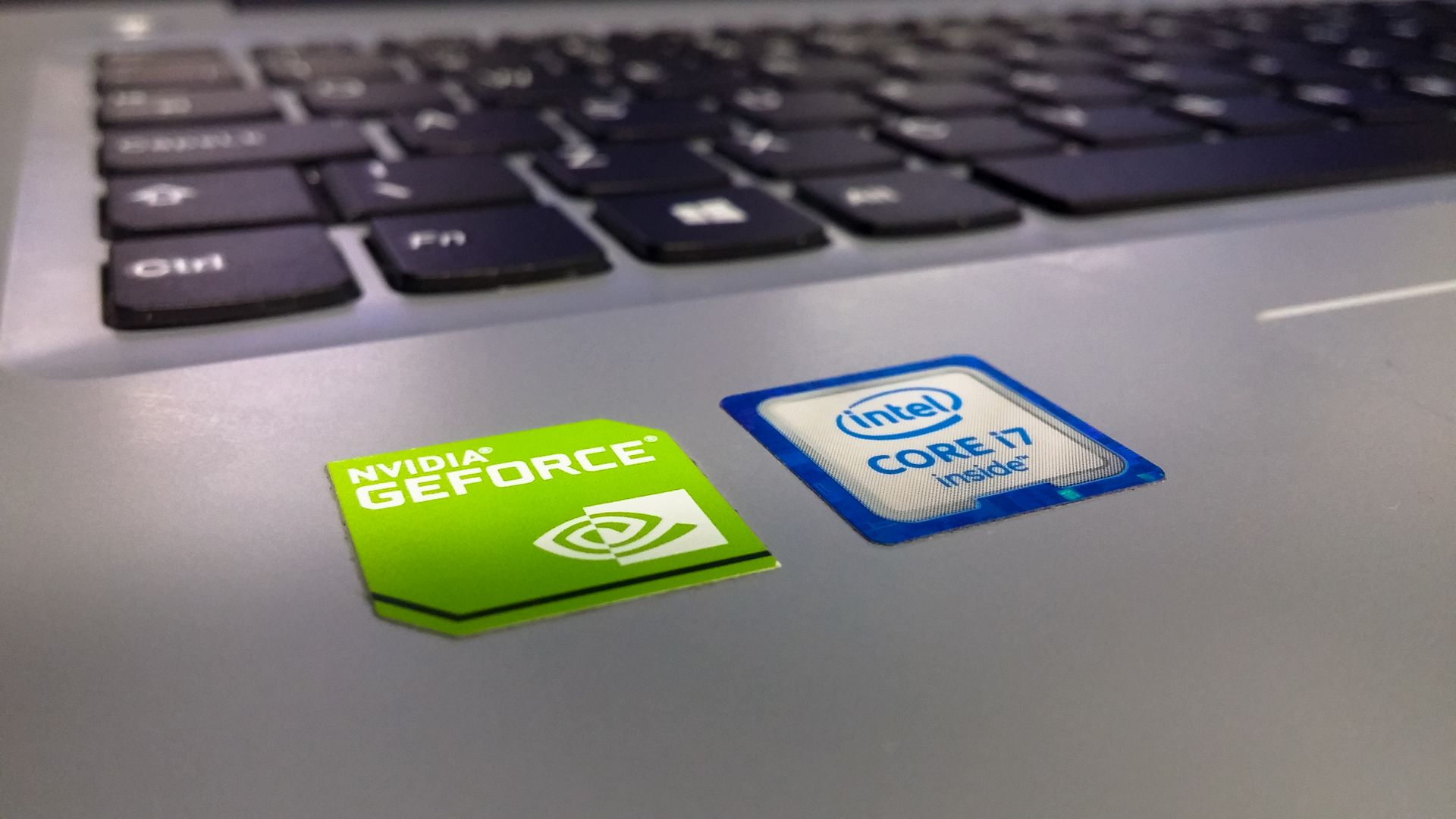
Intel's 2026 line-up splits into three sub-families, and the differences matter more than the family name. Lunar Lake (Core Ultra 200V) is the premium thin-and-light chip with 4 performance cores plus 4 efficiency cores (no hyperthreading), built on TSMC's N3B node. Its NPU 4 delivers 48 TOPS — comfortably clearing the Copilot+ certification bar. Lunar Lake is the chip behind the Samsung Galaxy Book5 Pro, Dell Pro 14 Plus, Asus Zenbook S14, and Lenovo Yoga Slim 7i Aura Edition. Battery life is best-in-class for x86.
Arrow Lake H and HX are the 28W to 55W performance chips that power workstation laptops and most gaming notebooks. They use the new Lion Cove performance cores paired with Skymont efficiency cores. The catch: their NPU stays at roughly 13 TOPS, which means they do not qualify for Copilot+ certification even though the CPU itself is faster than Lunar Lake at sustained workloads. If you're buying for AI features, this matters. If you're buying for raw multi-core throughput, it doesn't.
The 2026 refresh, Arrow Lake HX Plus (Core Ultra 9 290HX), brings a minor uplift over the 285HX and ships in most premium 2026 gaming laptops. Looking further out, Panther Lake on Intel's 18A node is launching late 2026 as the proper successor to Lunar Lake with full Copilot+ certification.
AMD Ryzen AI 300 and Ryzen AI 400
AMD currently holds the highest NPU rating in the x86 world. The Ryzen AI 300 series ("Strix Point" and "Krackan Point") uses a Zen 5 plus Zen 5c hybrid architecture with RDNA 3.5 integrated graphics — the Radeon 880M and 890M iGPUs — and an XDNA 2 NPU rated at 50 TOPS. The flagship Ryzen AI 9 HX 370 packs 12 cores and 24 threads; the mainstream Ryzen AI 7 350 has 8 cores and is the sweet spot for most premium ultrabooks.
At CES 2026, AMD announced the Ryzen AI 400 series ("Gorgon Point") as an evolutionary uplift: higher clocks, support for LPDDR5X-8533 memory, and a 60 TOPS NPU on the flagship Ryzen AI 9 HX 475. Over 120 OEM laptop designs are launching across 2026 with these chips. For creators and AI developers, the Ryzen AI Max+ ("Strix Halo") with 16 cores, a 40-CU iGPU, and up to 128GB unified memory is in a class of its own — effectively a workstation in a laptop chassis.
⚠️The Ryzen 200 trap
Ryzen 200 series ("Hawk Point Refresh") is still being sold in 2026 at attractive price points. It is Zen 4 era silicon with a 16 TOPS NPU — not Copilot+ certified. Acceptable if AI features don't matter to you, but understand what you're skipping.
Apple M5 and A18 Pro
Apple's 2026 line-up has redrawn the India laptop map. The MacBook Air with M5 uses a 10-core CPU and an 8-core GPU, paired with the Liquid Retina display and an 18-hour rated battery. It starts at ₹1,09,990 in India for the 16GB/512GB configuration. The MacBook Pro 14 with M5 Pro at roughly ₹1,79,900 targets real creator workloads: 4K video timelines, Logic Pro sessions, Xcode compiles. The M5 Max sits above that, in workstation territory.
The disruptive launch of 2026, though, is the MacBook Neo with A18 Pro. A 6-core CPU, a 5-core GPU, a 16-core Neural Engine, 8GB unified memory, and either 256GB or 512GB storage — starting at ₹69,900. This is Apple's most aggressive India price ever and the first time a MacBook has competed directly with mainstream Windows machines. Apple's own benchmarks claim "up to 50% faster than the best-selling PC with Intel Core Ultra 5" for everyday tasks. Independent reviewers have largely concurred for browsing and Office-class work.
Qualcomm Snapdragon X / X Elite / X2
Qualcomm's ARM Windows 11 chips brought genuine battery competition to the Windows world for the first time. The Snapdragon X Elite NPU is rated at 45 TOPS, comfortably Copilot+ certified. Battery life on Snapdragon laptops routinely lands in the 15–20 hour range. The catch is x86 emulation: legacy Windows apps run via emulation and take a 20–30% performance hit. For Office, Edge, Chrome, Slack, Teams, Photoshop, and VS Code, this is invisible. For Tally ERP, AutoCAD legacy versions, and some Indian banking utilities, it can be a blocker. Test before you commit.
Snapdragon X laptops in India start around ₹64,990 (Lenovo IdeaPad Slim 3 with Snapdragon X) and stretch to ₹1.5 lakh-plus for the Yoga Slim 7x. The Snapdragon X2 Elite Extreme is debuting in 2026 ultrabooks like the Asus Zenbook A16.
Which Processor for Which User
Your use case | Recommended processor family | Why |
|---|---|---|
Browsing, Office, college work | Core Ultra 5/7 Lunar Lake, Ryzen AI 5/7 300, Snapdragon X | Cool, quiet, long battery life |
Heavy multitasking, VS Code, light Photoshop | Ryzen AI 9 HX 370, Core Ultra 7 Arrow Lake H | More cores, more headroom |
Video editing, Blender, 3D | Ryzen AI 9 HX 370 + RTX 5060/5070, Apple M5 Pro / M5 Max | GPU and unified memory matter |
Gaming | Core Ultra 9 285HX or 290HX Plus, Ryzen 9 8940HX + RTX 5060/5070/5080 | Sustained TDP and discrete GPU |
iOS / macOS / cross-platform dev | Apple M5 or M5 Pro | Native toolchain, Xcode, simulators |
The Specifications You Must Check Before Buying
RAM — The Most Important Spec in 2026
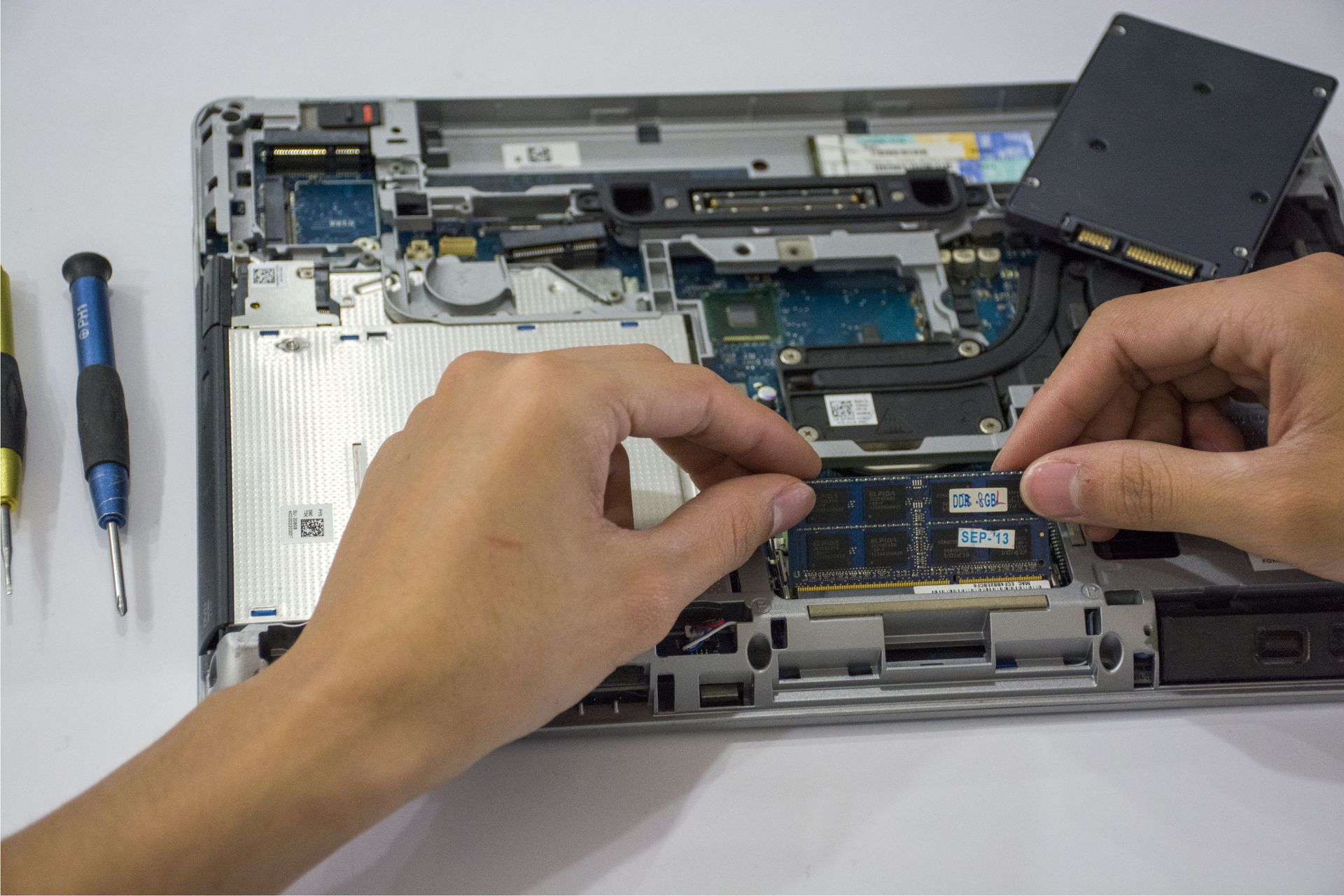
If you take one lesson from this entire guide, take this one: 16GB DDR5 or LPDDR5X is the new minimum for any Windows laptop bought in 2026. Eight gigabytes is dead. Modern browsers, background AI features, Microsoft Teams, OneDrive sync, and any IDE collectively consume more memory than 8GB can comfortably handle. Sportskeeda's 2026 buying guide put it bluntly: 8GB is no longer sufficient for any new purchase in 2026. Reviewers at 91mobiles and ProductHunter.in agree.
If you do heavy multitasking, run virtual machines, use Docker, edit in DaVinci Resolve, or stream while gaming, plan for 32GB. Serious creators, AI researchers, and workstation users should go to 64GB or more. Apple users get a small concession: macOS memory compression is genuinely effective, so 16GB on a MacBook handles workloads that would feel cramped on 16GB Windows. The MacBook Neo at 8GB is the lone defensible 8GB option in 2026 — and even there, 16GB is the wiser purchase if you can stretch.
Critical detail: LPDDR5X is always soldered. You cannot upgrade later. If you're buying an ultrabook with LPDDR5X, buy 16GB minimum at purchase, and consider 32GB if your budget allows it.
Storage
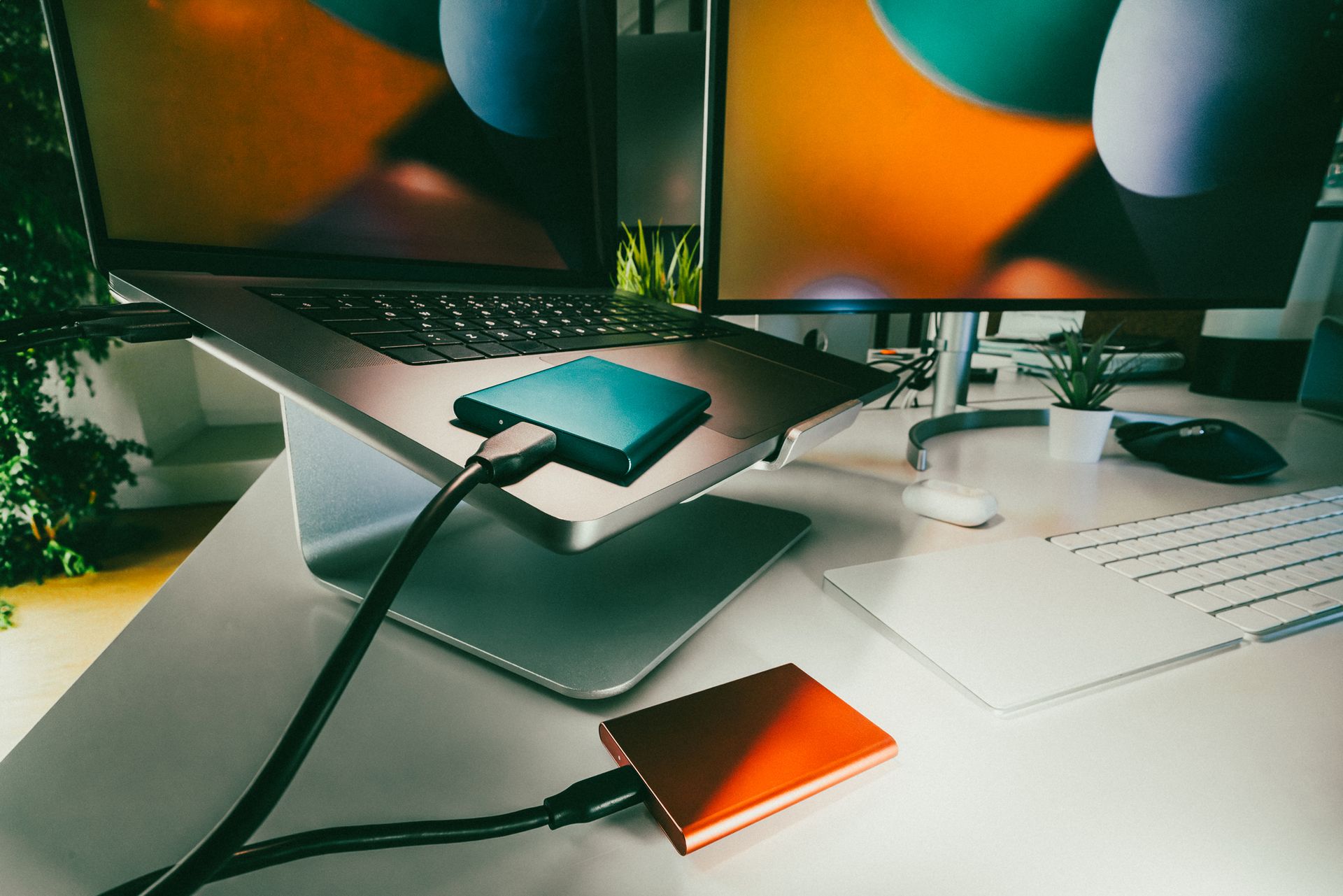
A 512GB NVMe SSD is the floor in 2026. 256GB fills up within a year once Windows updates, Recall snapshots, game shaders, and your normal files pile up. For gamers and creators, 1TB is the sweet spot. PCIe Gen 4 NVMe is fast enough for everyone; PCIe Gen 5 only matters for video professionals working with 8K timelines.
Refuse any laptop in 2026 that still ships with a 5400 RPM HDD — they exist in the sub-₹30K market and they are catastrophically slow. Even a 256GB SSD smashes a 1TB HDD on real-world responsiveness.
Display
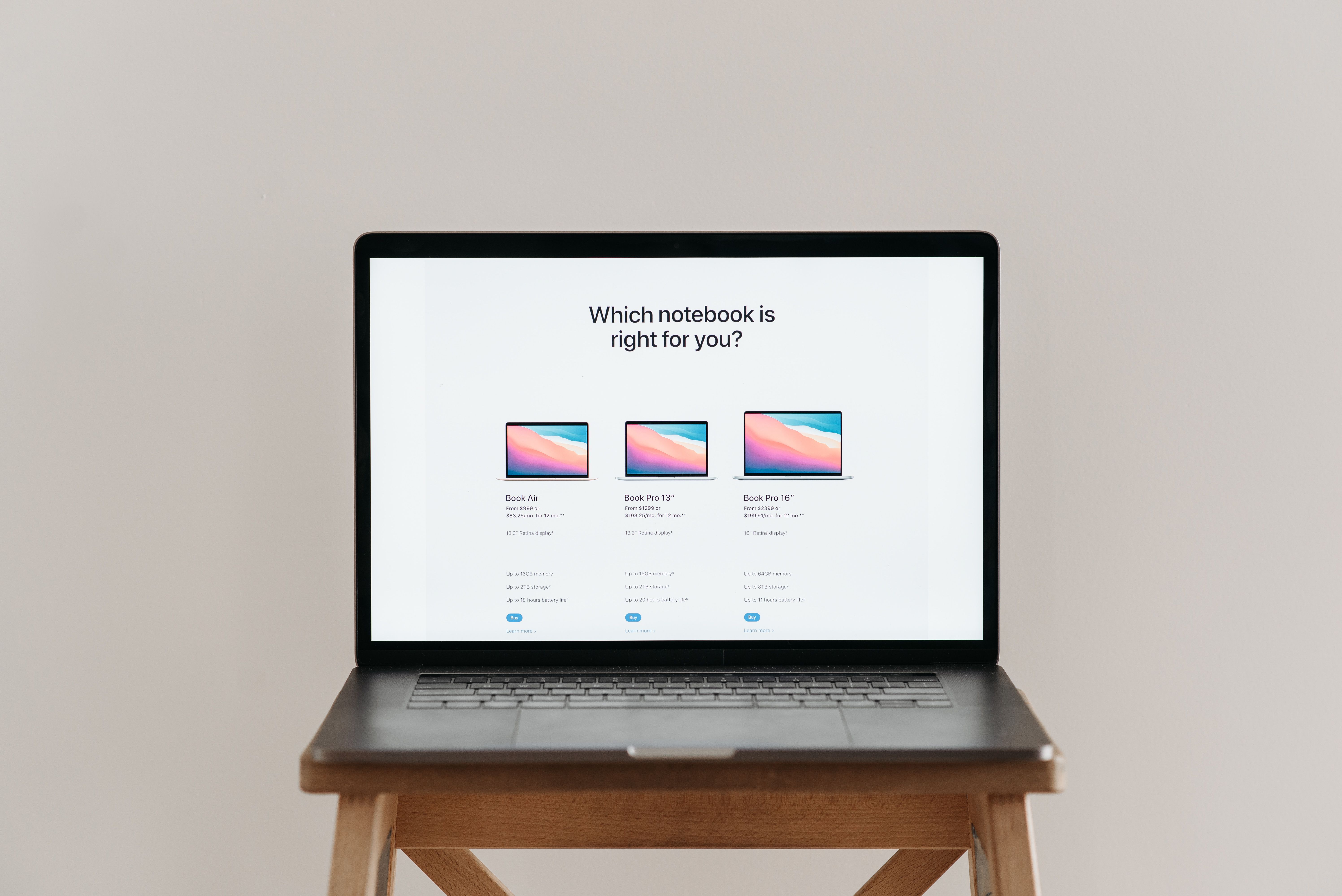
Display is the spec most buyers underweight and most regret afterwards. You stare at it eight hours a day for five years. Pay attention here.
FHD (1920x1080) IPS is the basic floor. Anti-glare, minimum 250 nits brightness.
2.5K resolution (2560x1440 or 2560x1600) at 120Hz or 165Hz is the modern sweet spot for 14–16" creator and gaming laptops.
OLED panels are now affordable on machines like the Asus Zenbook 14 OLED, Vivobook 16 OLED, and Lenovo Yoga Slim 7x. Better contrast, wider DCI-P3 coverage. Watch for burn-in on static UI elements.
Mini-LED appears on flagship gaming laptops like the MSI Raider 18 HX and ROG Strix SCAR 16.
TN panels — refuse them. Viewing angles are dismal even at moderate tilt.
For creators, demand 100% sRGB coverage minimum, ideally 100% DCI-P3, and 400-plus nits brightness.
120Hz refresh is now standard even on the MacBook Air M5. Consider 60Hz only at the absolute entry level.
GPU
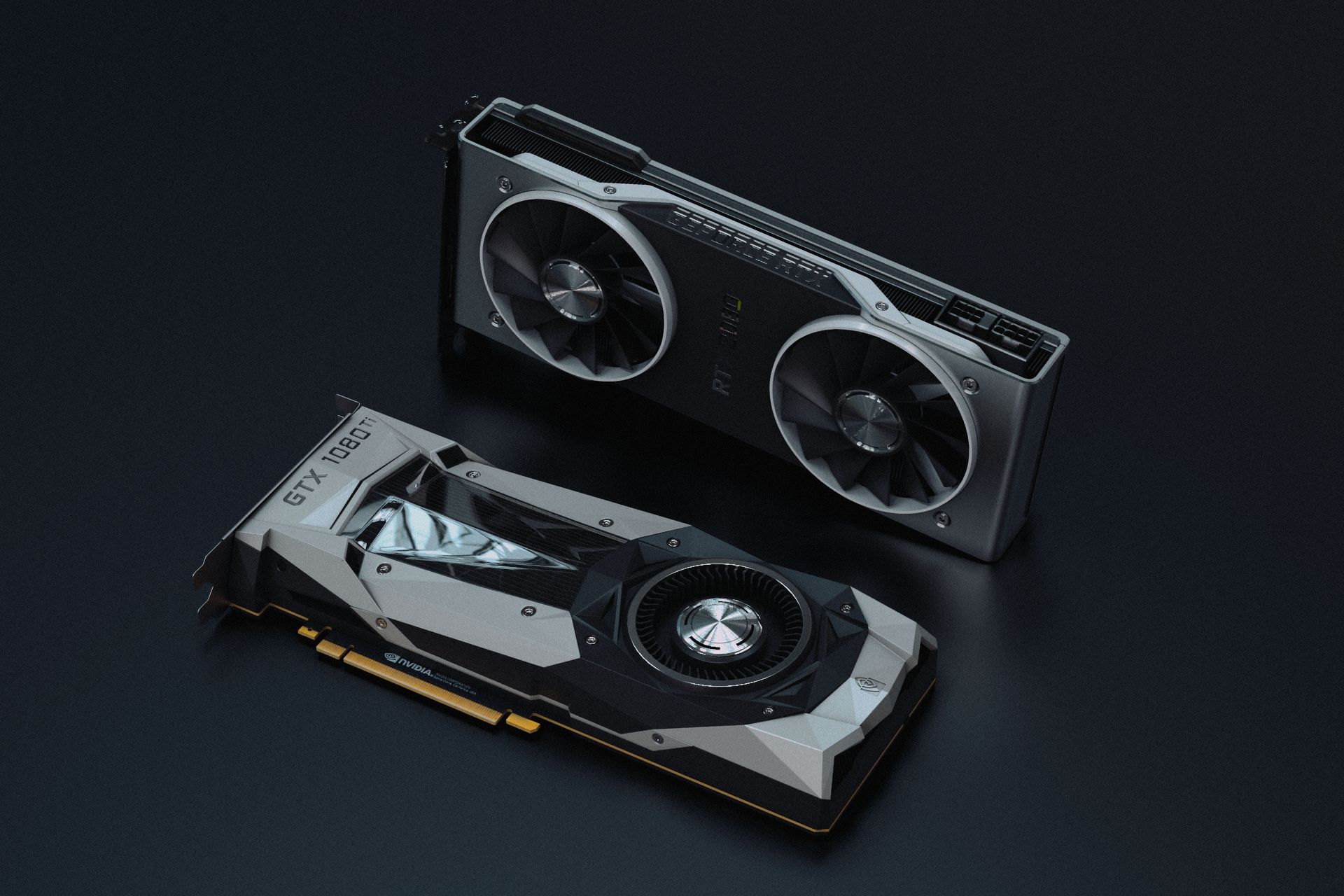
Integrated graphics in 2026 are genuinely good. Intel Arc 140V, AMD Radeon 890M, and Apple's integrated GPU all handle Valorant at sensible settings, light Photoshop work, and 1080p video editing without breaking stride. Most students and professionals don't need a discrete GPU at all.
If you do need discrete graphics, NVIDIA's RTX 50-series mobile line-up is the ladder: RTX 5050/5060 for 1080p gaming in roughly ₹95,000 to ₹1.2 lakh laptops; RTX 5070 for 1440p gaming at ₹1.6–2 lakh; and RTX 5080/5090 for 4K gaming and creator workstations above ₹2 lakh. AMD's Radeon discrete laptop GPUs are rare in India outside the Framework 16.
Battery Life
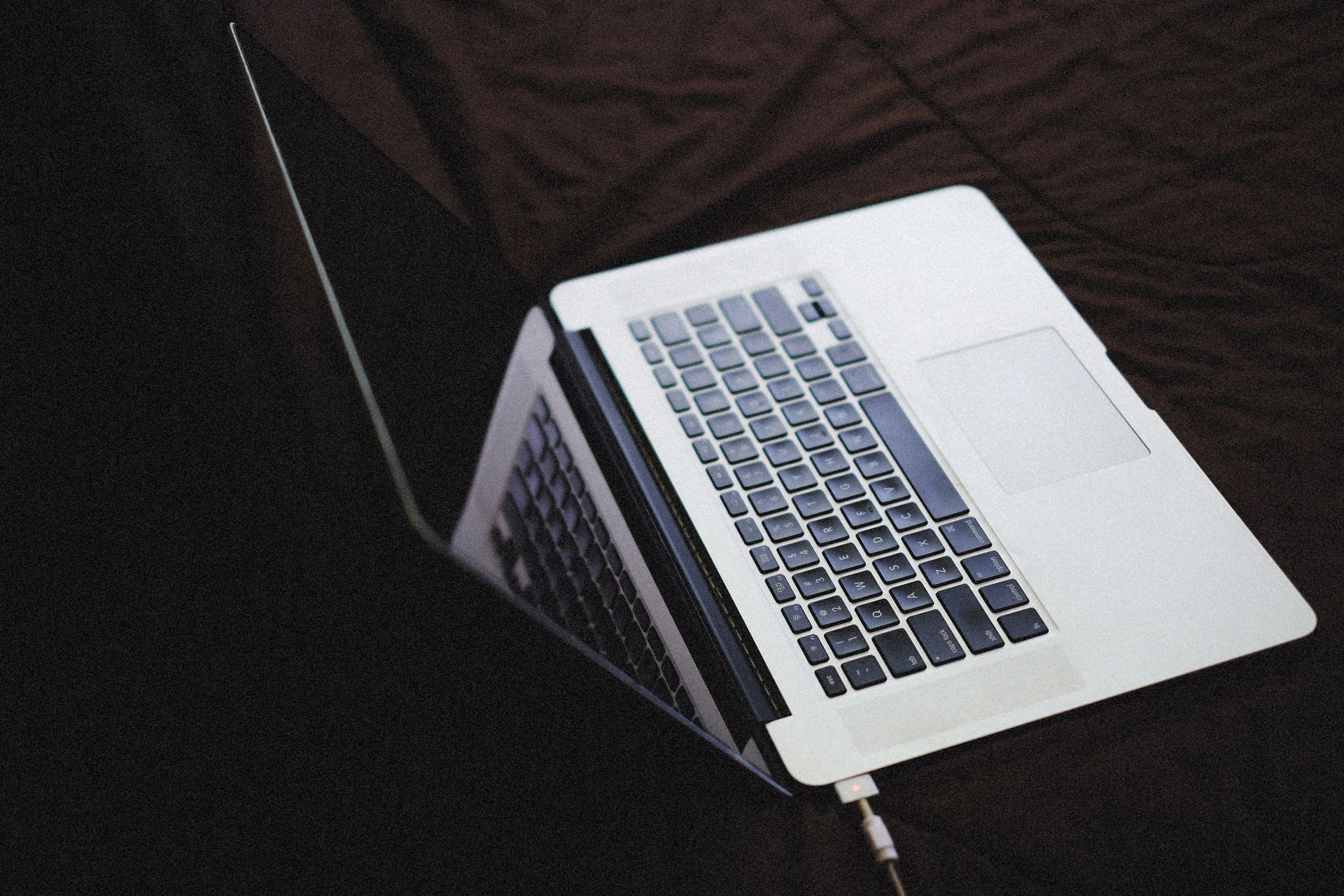
Look at Watt-hour (Wh) ratings, not "up to X hours" marketing. Ultrabooks with 60–75 Wh batteries (MacBook Air M5, Yoga Slim 7i Aura Edition) deliver 12–16 hours of real-world use. Gaming laptops max out at 99.9 Wh — the legal airline carry-on limit — and you should expect 4–8 hours of light use, an hour and a half under load.
Ports and Connectivity
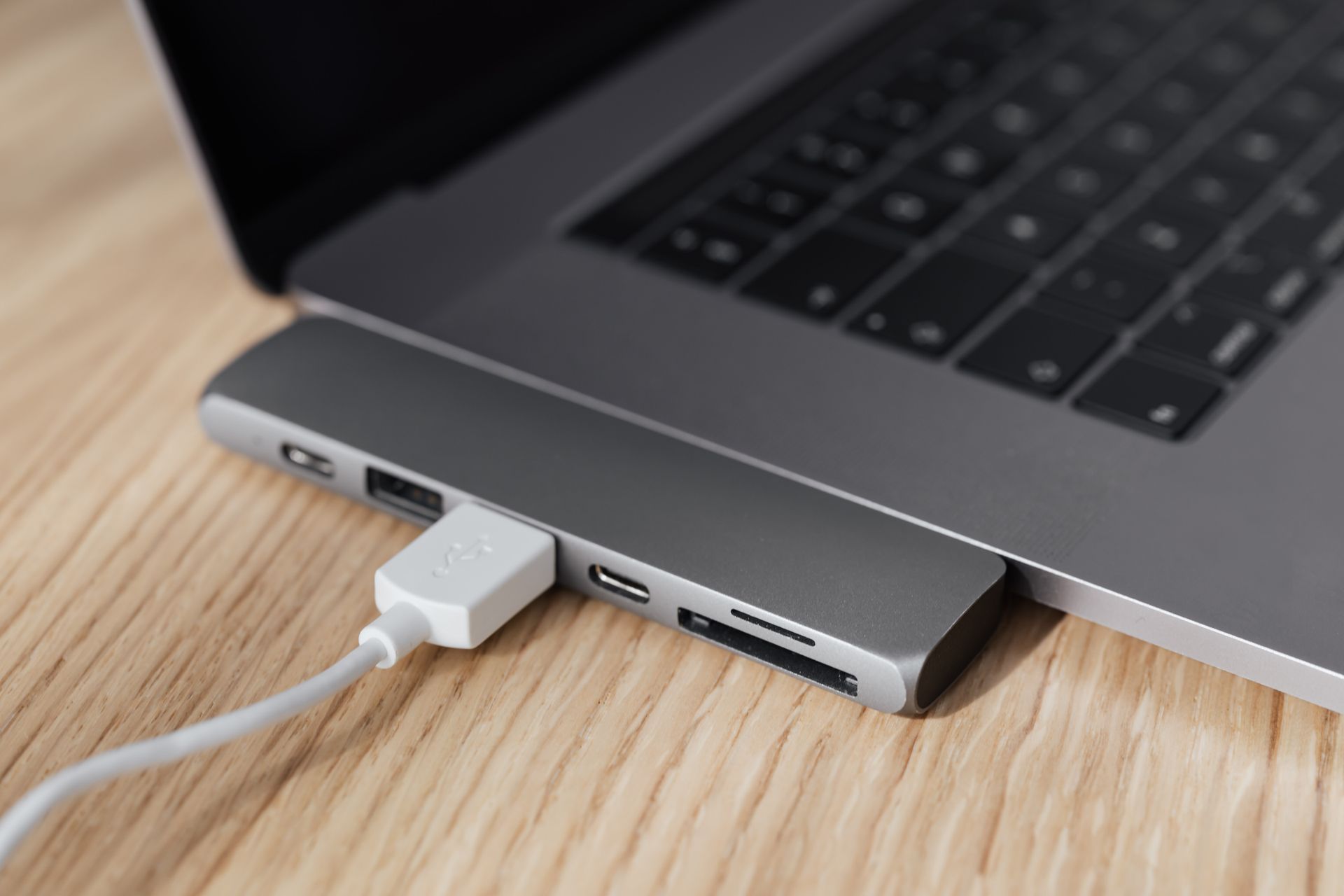
Thunderbolt 4 or USB4 at 40 Gbps is now standard on laptops above ₹70,000. Thunderbolt 5 (80–120 Gbps) has arrived in the 2026 Razer Blade 16, MSI Raider, and select Lenovo and HP business models, but it is still rare and only matters for external GPUs, 8K monitors, or pro RAID arrays. HDMI 2.1 is essential if you plan to drive a 4K/120Hz external display. Wi-Fi 7 plus Bluetooth 5.4 is standard from the mid-range upward. The MacBook Air M5 introduced Apple's new N1 chip with Wi-Fi 7 and Bluetooth 6.
If you're a photographer or videographer, an SD card slot still matters — surprisingly often missing on ultrabooks.
Build Quality and Certifications
Aluminium chassis is standard above ₹60,000 and worth the weight penalty for the rigidity it provides. Magnesium-alloy frames on the ThinkPad X1 Carbon and LG gram offer the lightest premium builds. For business travellers, MIL-STD-810H certification — covering drop, vibration, and temperature testing — is worth seeking. Look for it on ThinkPads, Dell Latitude and Pro lines, HP EliteBooks, and Acer TravelMate.
Mandatory for India: BIS CRS certification under IS 13252 (Part 1). Every laptop legally sold in India must carry the BIS R-number sticker, typically on the back of the device or on the box. Verify it before paying.
Buying by Use Case: From Students to Gamers
The smartest way to choose a laptop is to start with what you will actually do on it for the next four to six years. Here is the matrix.
Use case | Sweet-spot budget (INR) | Recommended class & examples |
|---|---|---|
School / college basics | ₹35,000 – ₹50,000 | Acer Aspire Lite, HP 15s, Lenovo IdeaPad Slim 3, ASUS Vivobook Go 14 |
Engineering / CS student | ₹55,000 – ₹80,000 | Lenovo ThinkBook 16 Gen 7, ASUS Vivobook 16 2026, HP OmniBook 5, Dell 14 Plus |
Office / productivity professional | ₹70,000 – ₹1.2 lakh | Dell Pro 14 Plus, ThinkPad E14/T14, Samsung Galaxy Book5 Pro |
Content creator (video / photo) | ₹1.2 – ₹2.5 lakh | MacBook Pro 14 M5/M5 Pro, ASUS ProArt P16 OLED, Lenovo Yoga Pro 9i |
Gamer (entry-level) | ₹70,000 – ₹95,000 | Lenovo LOQ 15, HP Victus 15, ASUS TUF Gaming A15 (RTX 3050/5050) |
Gamer (mid-range) | ₹1.25 – ₹2 lakh | ASUS TUF Gaming F16/A16 RTX 5070, Lenovo Legion Pro 5i, MSI Crosshair A16 |
Gamer (high-end) | ₹2.5 lakh and above | Alienware 16 Area-51/18, ROG Strix SCAR, MSI Titan/Raider with RTX 5080/5090 |
Programmer / developer | ₹80,000 – ₹1.5 lakh | MacBook Air M5, Lenovo ThinkPad X1 Carbon Gen 14, Framework 13 AMD |
Business traveller | ₹1.2 lakh and above | ThinkPad X1 Carbon, Dell Pro 14 Plus, LG gram |
Casual home use | ₹30,000 – ₹50,000 | HP 15s, Lenovo V15, ASUS Vivobook Go |
HP is safest for most Indians. Lenovo has the best keyboards. Dell has the best service. Acer has the best prices. ASUS has the best displays. Apple has the best battery. The right brand depends entirely on which trade-off you value most."
— Common consensus from Indian YouTube reviewers (Geekyranjit, Beebom, Trakin Tech)
India Price Bands and the Best 2026 Picks in INR
Under ₹30,000 — The Budget Zone
Choices are limited and all entry-level. ASUS Vivobook Go 14 with Ryzen 3 7320U, HP 255 G10, Lenovo IdeaPad Slim 1, and Acer Aspire 3 are the contenders. Expect Celeron, Athlon, or Ryzen 3 chips, 8GB RAM, 256–512GB SSD, and FHD or HD displays. Skip anything with 4GB RAM or a 5400 RPM HDD. This budget is acceptable only for the lightest browsing and Office work.
₹30,000 – ₹50,000 — The Volume Segment
Where most of India's laptop purchases happen. Acer Aspire Lite (i5-12450H, 16GB, 512GB NVMe), Lenovo IdeaPad Slim 3 (Core i5 13th gen), HP Pavilion, ASUS Vivobook 15. The Lenovo ThinkBook 16 Gen 7 at roughly ₹44,500 is the standout value pick. Productivity-ready, but no Copilot+ features here.
₹50,000 – ₹80,000 — The Sweet Spot
This is where 90% of Indian buyers should land in 2026. HP OmniBook 5 (Snapdragon X Elite, ₹69,105). Apple MacBook Neo with A18 Pro (₹69,900 base, ₹79,900 for 512GB). Samsung Galaxy Book 4 Edge (Snapdragon X, ₹67,990). Motorola Motobook 60 Pro (Core Ultra 5 225H, ₹64,990). Dell 14 Plus. Lenovo Yoga 7i 2-in-1. ASUS Vivobook 16 2026. Real Copilot+ AI features are available throughout this segment.
₹80,000 – ₹1,20,000 — The Premium Tier
MacBook Air M5 at ₹1,09,990. MacBook Air M3 (16GB/256GB) at ₹1,14,900. Samsung Galaxy Book5 with Core Ultra 7 at ₹99,990. Lenovo Yoga Slim 7i Aura Edition. ASUS Zenbook 14 OLED. Lenovo LOQ 2024 for entry gaming at ₹94,500. This tier delivers the best balance of performance, battery, and build.
₹1,20,000 and Above — The Flagship Tier
MacBook Air M5 15-inch at ₹1,44,900. MacBook Pro 14 with M5 or M5 Pro. Dell XPS 14. ThinkPad X1 Carbon Gen 14. ASUS ROG Strix SCAR 16. MSI Raider 18 HX AI. Alienware 16 Area-51 and 18. Lenovo Legion 9i. Razer Blade 16 (2026). Foldable: Lenovo ThinkPad X1 Fold at roughly ₹2,47,990 with Gen 2 Core i7.
💰Quick GST math
Laptops in India attract a flat 18% GST under HSN 8471. A ₹50,000 base price becomes ₹59,000 final. The GST is already included in MRP on Amazon and Flipkart listings. Businesses with a GSTIN can claim Input Tax Credit by buying via GST invoice.
Where, When, and How to Buy in India
The Best Channels
Amazon.in & Flipkart — Best for variety and bank offers, but verify "Fulfilled by Amazon" or "Flipkart Assured" to avoid third-party grey-market sellers.
Croma & Reliance Digital — Best for trying before buying. Price-match to online prices during sale weeks.
Brand-exclusive stores — ASUS Exclusive, Mi Store, Lenovo Exclusive, HP World, and Apple Authorised Resellers like Imagine, Aptronix, and Vijay Sales. Best for warranty clarity and exchange offers.
Vijay Sales — A strong Apple discount channel; April 2026 Apple Days were genuinely competitive.
The Best Time of Year
For Indian buyers, four windows matter:
Amazon Great Indian Festival and Flipkart Big Billion Days — Late September through mid-October, kicking off around 22–23 September. Laptop discounts run up to 45%.
Diwali sales — From around October 20.
Republic Day sales — Mid-January.
Independence Day sales — Early August.
Year-end clearance — Late December.
Avoid March and April. New financial year, inventory is at its thinnest.
EMI, Student, and Exchange Offers
Every major Indian bank offers No-Cost EMI from 3 to 24 months on laptops. The Bajaj Finserv Insta EMI Card extends to 60 months. HP, Dell, Lenovo, and Apple run education-store discounts for verified students and teachers; Apple's Back-to-School promo typically runs June through August. Exchange offer values can hit ₹46,050 on flagships, per current Flipkart MacBook Air listings.
Indian vs Global Variants
Indian-variant MacBooks have model numbers ending in HN/A; US variants end in LL/A. Functionality is identical, but warranty is region-specific. Some Windows laptops launch India-specific SKUs with Microsoft Office 2024 or Microsoft 365 Basic pre-bundled. Grey-market US laptops usually come without Indian BIS registration — warranty is void in India, and resale value collapses.
14 Mistakes to Avoid When Buying a Laptop in India
X Outdated processors at "discount" prices. Anything Intel 11th or 12th gen Core i3 or Ryzen 5000-series sold as new in 2026 is multiple generations behind. Acceptable only sub-₹30K.
X 8GB RAM in 2026. Sportskeeda, 91mobiles, and ProductHunter.in all agree — 8GB is insufficient. Exception: MacBook Neo with macOS unified memory.
X 5400 RPM HDDs. Still showing up on some sub-₹30K HP 245 and Lenovo V14 SKUs. Refuse them.
X TN-panel displays. Found in cheap gaming laptops and some budget HP/Lenovo SKUs. Viewing angles are abysmal.
X "Gaming laptops" with weak GPUs. RTX 3050 4GB and below are bottlenecked in modern AAA titles. 4GB VRAM is the new floor.
X Fake or refurbished sold as new. Especially on Amazon and Flipkart third-party listings. Always check the serial number on the manufacturer's official warranty portal.
X Grey-market imports. A laptop without an Indian BIS R-number is illegal to sell and has no India warranty.
X Bloatware-heavy SKUs. Some Indian variants ship with McAfee trials, WPS Office trials, manufacturer experience suites, and casual game launchers. Reformat with a clean ISO if needed.
X Apple Neo or Air with 8GB and 256GB at the lowest price point. Tempting, but the right Neo for most buyers is the 512GB at ₹79,900. 256GB is too small for macOS plus apps plus files.
X The soldered RAM trap. If buying an ultrabook with LPDDR5X soldered, buy 16GB minimum — you cannot upgrade later.
X Brand loyalty alone. Each brand has a clear strength; pick the right one for your use case, not your habit.
X Ignoring service centre availability. If you live outside Tier-1 cities, check brand presence in your city before buying premium.
X "Free" accessories scams. "Free Bluetooth headphones worth ₹3,999" on Amazon often means the laptop is overpriced by exactly that amount.
X No-warranty deals from unverified sellers. Verify the seller rating is 4.5 or higher and warranty source is "Manufacturer warranty," not "Seller warranty."
Emerging Trends Worth Tracking in 2026
The Copilot+ PC line is now the AI baseline. Recall, Click to Do, Live Captions with translation, Cocreator in Paint, and the Auto Super Resolution gaming upscaler all require a 40-plus TOPS NPU. Older 2024 laptops with 13-TOPS NPUs are simply excluded from these features for life.
Apple's MacBook Neo, launched in March 2026 at ₹69,900, is the most disruptive India launch of the year. iFixit gave it a strong repairability score, writing that it is "the most repairable MacBook we've seen in about fourteen years." Apple also confirmed that the Neo "features 60 percent recycled content — the highest percentage of any Apple product. This includes 90 percent recycled aluminum overall and 100 percent recycled cobalt in the battery."
Foldables are real but still niche. The Lenovo ThinkPad X1 Fold Gen 2, a 16.3" OLED foldable with Intel Core i7, is now in India at around ₹2.47 lakh. Battery life and weight remain compromises. Dual-screen laptops are more mature — the ASUS Zenbook DUO refresh launched in April 2026 with AMD Ryzen AI 400 chips. Lenovo unveiled a concept Legion Pro Rollable gaming laptop at CES 2026 with an OLED expandable from 16" to 21".
The battery life arms race continues. Sixteen to eighteen hour ratings are now common on the MacBook Air M5, the Yoga Slim 7i Aura Edition, and most Snapdragon X laptops. Repairability is rising as a buying factor, with Framework's modular 13 and 16 globally available. And sustainability is moving from press-release garnish to real specification — HP, Lenovo, and Apple now advertise recycled-aluminium content as a buying point.
The Pre- and Post-Purchase Checklists
Pre-Purchase Checklist (Print This)
✔ Watch at least two long-form video reviews. Recommended Indian channels: Geekyranjit (Hyderabad-based, honest deep dives), Beebom (mainstream productivity), Trakin Tech (launch news), Tech Burner (gaming laptops), Gogi Tech (Hindi deep-dives), C4ETech (technical benchmarks), 91mobiles (India pricing roundups).
✔ Compare exact model numbers across Amazon, Flipkart, Croma, and brand sites. Variants matter — the same model name can have wildly different RAM, SSD, and GPU.
✔ Verify standard 1-year warranty plus optional Accidental Damage Protection. Amazon and Flipkart now bundle 1-year ADP at ₹2,000 to ₹5,000 extra.
✔ Check seller authenticity: prefer "Sold by Cloudtail" or "Appario" on Amazon, "F-Assured" on Flipkart, or brand-authorised resellers.
✔ Test in-store if possible at Croma or a brand exclusive store. Keyboard feel and trackpad cannot be judged from spec sheets.
✔ Check return policy. Amazon allows 7–10 days for laptops; brand sites often allow only DOA replacement.
✔ Verify serial number on the brand's warranty-check portal before paying.
Post-Purchase Checks (Within 48 Hours)
Record an unboxing video. If the box was pre-opened or seals broken, refuse delivery or return immediately.
Register the warranty on the brand's portal within 7 days.
Run a battery health check. On Windows,
powercfg /batteryreport. On macOS, System Information then Power. Cycle count should be 5 or fewer.Dead pixel check. Run a black-screen and white-screen full-screen test (eizo.com Monitor Test). Indian consumer law allows return within 7 days for verified dead pixels.
Run performance benchmarks. Cinebench 2024 (CPU), 3DMark Time Spy (GPU), PCMark 10 (overall), CrystalDiskMark (SSD). Compare to published reviews.
Set up cloud backup — OneDrive, iCloud, or Google Drive — before disaster strikes.
Verify BIS sticker and serial number against the brand's portal.
India-Specific Considerations Everyone Overlooks
Power surge protection. The Indian grid voltage fluctuates more than most international grids. Use a quality surge protector or an APC UPS for desktop docking setups. Laptops have built-in protection, but chargers can fail under voltage spikes.
Heat and humidity. Coastal cities — Mumbai, Chennai, Kochi, Vizag — age laptops faster. Look for fanless designs like the MacBook Air or MacBook Neo, or laptops with proven thermal headroom in long-form reviews.
Service network reach. HP and ASUS lead for tier-2 and tier-3 coverage. ASUS India operates over 200 service centres covering 17,000-plus pin codes across 761 districts as of April 2026. HP retains the widest historic reach with HP Connects centres for MSMEs. Lenovo expanded with 25-plus exclusive stores across UP, Rajasthan, Bihar, and West Bengal in 2025. Apple has the thinnest tier-2/3 footprint — service in smaller cities is via authorised partners (Redington/Ingram), often one city equals one AASP.
Make in India. HP, Dell, Lenovo, Acer, and ASUS now assemble laptops locally under the PLI 2.0 IT Hardware scheme. MeitY announced ₹41,863 crore in investment commitments in January 2026. Apple has begun limited Mac assembly via Foxconn India.
BIS certification. Mandatory. Verify the BIS R-number sticker under IS 13252 (Part 1) before paying.
Frequently Asked Questions
Final Thoughts — The One-Page Decision Framework
If you read nothing else, internalise this. The laptop you should buy in 2026 is the one that passes three filters in order: (1) a Copilot+ certified NPU if you plan to keep it more than three years; (2) at least 16GB RAM and a 512GB NVMe SSD; (3) a brand with a service centre you can physically reach. Everything else — CPU GHz, RGB lighting, fingerprint readers, "AI" badges — is downstream of those three.
For most Indians in mid-2026, the right answer falls in the ₹50,000 to ₹80,000 band — a Ryzen AI 300 or Core Ultra Series 2 Lunar Lake laptop with 16GB RAM, 512GB SSD, and a Copilot+ certified NPU. Step up to a MacBook Air M5 if 18-hour battery and Apple's ecosystem matter. Step into an RTX 50-series gaming laptop only above ₹1.25 lakh, and never before checking whether a same-budget desktop would serve you better.
Buy during the September-to-November festive sales or the Republic Day sale. Verify BIS certification, seller authenticity, and warranty status before paying. Record the unboxing. Run a battery report on day one. And keep the box for at least 30 days.
Buying a laptop is one of those rare purchases that quietly shapes the next four to six years of your daily life. Spend an extra hour now, save thousands of rupees and weeks of frustration later. That's the entire game.
0 comments