For millions of people in India, dandruff is not just a hair issue. It quietly affects confidence, makes you self-conscious in photos, and turns simple things like wearing black or sitting close to colleagues into something you think twice about. The frustrating part is that many people try shampoo after shampoo with little to show for it — one works for a week, then the flakes return; another dries out the hair completely.
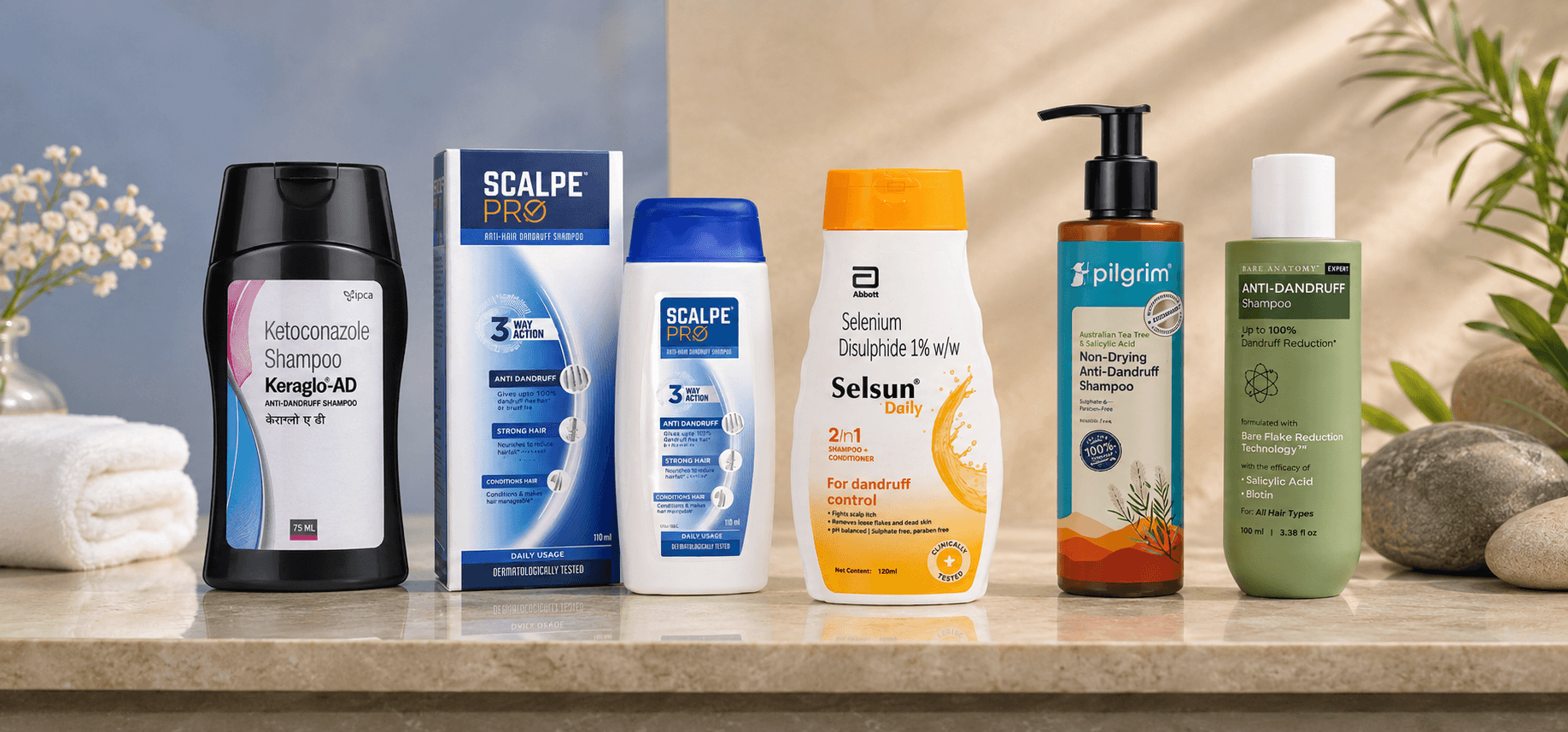
If that has been your experience, you are not doing anything wrong. The real fix usually comes down to understanding what is causing your dandruff and choosing a shampoo with the right active ingredient for your scalp. This guide walks you through both, in plain language, and compares five anti-dandruff shampoos that are currently sold in India and widely used for dandruff care.
A quick, honest note: the active ingredients in these shampoos — ketoconazole, zinc pyrithione, selenium sulfide, climbazole, piroctone olamine, salicylic acid and tea tree oil — are the same ones dermatologists rely on for dandruff and flaky-scalp concerns. Several of these brands also carry a "dermatologically tested" label, and one is a medicated antifungal shampoo. Where a brand claims something like "up to 100% dandruff reduction," we've flagged it as the company's own claim rather than a guarantee.
Why dandruff happens
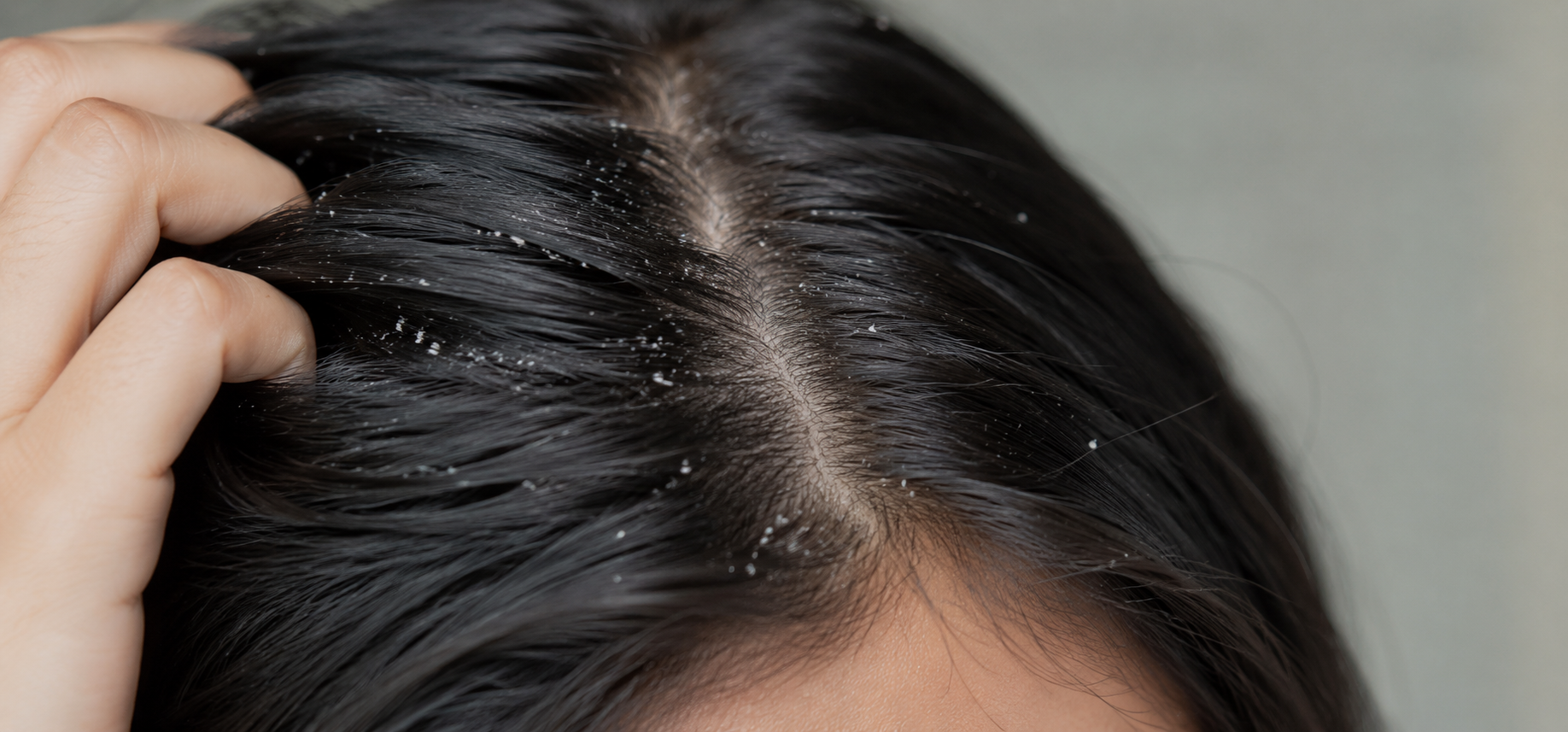
Dandruff is one of the most common scalp conditions in the world, and almost everyone deals with it at some point. In simple terms, it is the flaking of dead skin from the scalp, often along with itching. It is not caused by poor hygiene, and it is usually not dangerous — but it can be stubborn and embarrassing.
One of the biggest reasons behind it is a tiny yeast called Malassezia. This yeast naturally lives on everyone's scalp and is normally harmless. In some people, it feeds on the natural oil (sebum) on the scalp and produces by-products that irritate the skin. The scalp reacts by speeding up how fast it sheds skin cells, and those extra cells clump together and fall off as visible flakes. This is why an oily scalp often goes hand in hand with dandruff — more oil can mean more food for the yeast.
Several everyday things can make it worse: an oily or sweaty scalp, sensitivity to that yeast, very dry skin and cold weather, stress and poor sleep, infrequent or improper washing, leaving heavy hair oil on the scalp for long periods, and hard water that leaves residue behind. Dandruff also looks different from person to person — some get small dry white flakes, others get larger, oily, yellowish flakes that stick to the scalp. Knowing your type helps you choose a better shampoo.
How anti-dandruff shampoos help
A regular shampoo simply cleans your hair. An anti-dandruff shampoo is different because it contains an active ingredient designed to tackle the cause of flaking, not just wash it away. Most of these ingredients work in one or more of three ways: they reduce the yeast on the scalp, they slow down the rapid shedding of skin cells, or they help lift away existing flakes.
Ketoconazole is a strong antifungal that directly targets the Malassezia yeast — often the go-to for stubborn or recurring dandruff. Zinc pyrithione is a gentler antifungal and antibacterial agent that works well for everyday control. Selenium sulfide fights the yeast and also slows how quickly skin cells build up, which suits oily, flaky scalps.
Climbazole and piroctone olamine are antifungal ingredients often used together or in place of zinc pyrithione, and tend to be gentle enough for regular use. Salicylic acid is a mild exfoliant (a BHA) that loosens and lifts dead skin and unclogs the scalp, helpful when flakes are thick. Natural tea tree oil has mild antifungal properties and suits people who prefer a plant-based approach.
The key thing to remember is that these shampoos manage dandruff rather than cure it forever. Used correctly and consistently, they can keep flakes and itching well under control. Stop too soon, and the dandruff often comes back.
How to choose the right one
There is no single "best" shampoo for everyone. The right one for you depends on a few practical factors — thinking through these before you buy saves a lot of trial and error.
Your scalp type. Oily scalp with greasy flakes? Salicylic acid, selenium sulfide or zinc pyrithione work well. Dry and tight? Look for a gentler, non-drying or conditioning formula. Dandruff severity. Mild flakes need only a gentle daily shampoo; stubborn, recurring or heavy flaking usually needs a stronger antifungal like ketoconazole. The active ingredient. Always check the label, not the words on the front of the bottle. Usage frequency. Some medicated shampoos are meant for only two to three washes a week. Sensitivity. Strong fragrances, menthol and added colours can irritate sensitive scalps. Colour-treated hair. Some actives can affect chemically treated or bleached hair. Doctor's advice should come before any shampoo if your dandruff is severe, painful or not improving.
The Top 5, gentlest to strongest
All five are currently available in India and commonly used for dandruff care. They're ordered from the gentlest everyday options to stronger, more targeted ones — ending with a medicated antifungal shampoo. The strength bar on each card shows roughly where it sits.
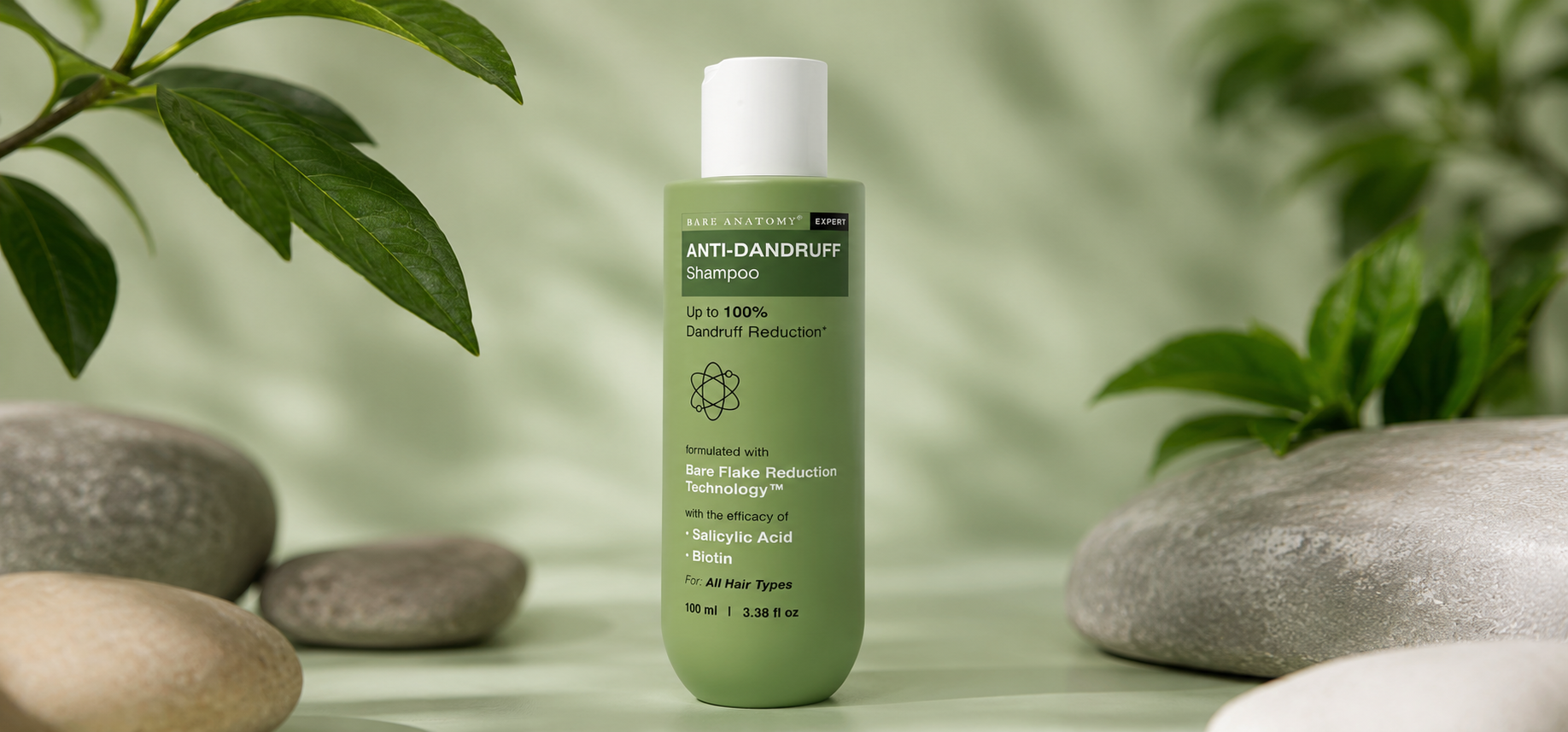
1. Bare Anatomy Anti-Dandruff Shampoo
Strength - Gentle
Key ingredient
Salicylic acid (exfoliating BHA) + piroctone olamine — with biotin, rosemary, aloe vera and panthenol. Notably zinc-pyrithione-free.
Salicylic acid lifts away dead skin and unclogs the scalp — useful when flakes are thick or oily — while piroctone olamine targets the dandruff-causing yeast. The pH-balanced (around 5.3), sulphate-free base aims to control excess oil without stripping the hair.
Pros
Good for oily, flaky scalps
Gentle enough for regular use
Sulphate- & paraben-free, vegan
Brand states it's dermatologically tested
Non-drying; leaves hair soft
Cons
"100% reduction" is a brand claim, not a promise
Contains fragrance and menthol
Milder than a dedicated antifungal for stubborn dandruff
How to use
Apply to scalp and hair, massage gently (a scalp brush helps), rinse with lukewarm or cool water. Suitable for regular use.
Consider it if
You have an oily scalp, visible buildup or greasy flakes and want a gentle exfoliating shampoo for everyday care.
Use carefully if
Your scalp is very dry or sensitive (menthol and fragrance may not suit you), or your dandruff is heavy and clearly fungal and needs a stronger active.
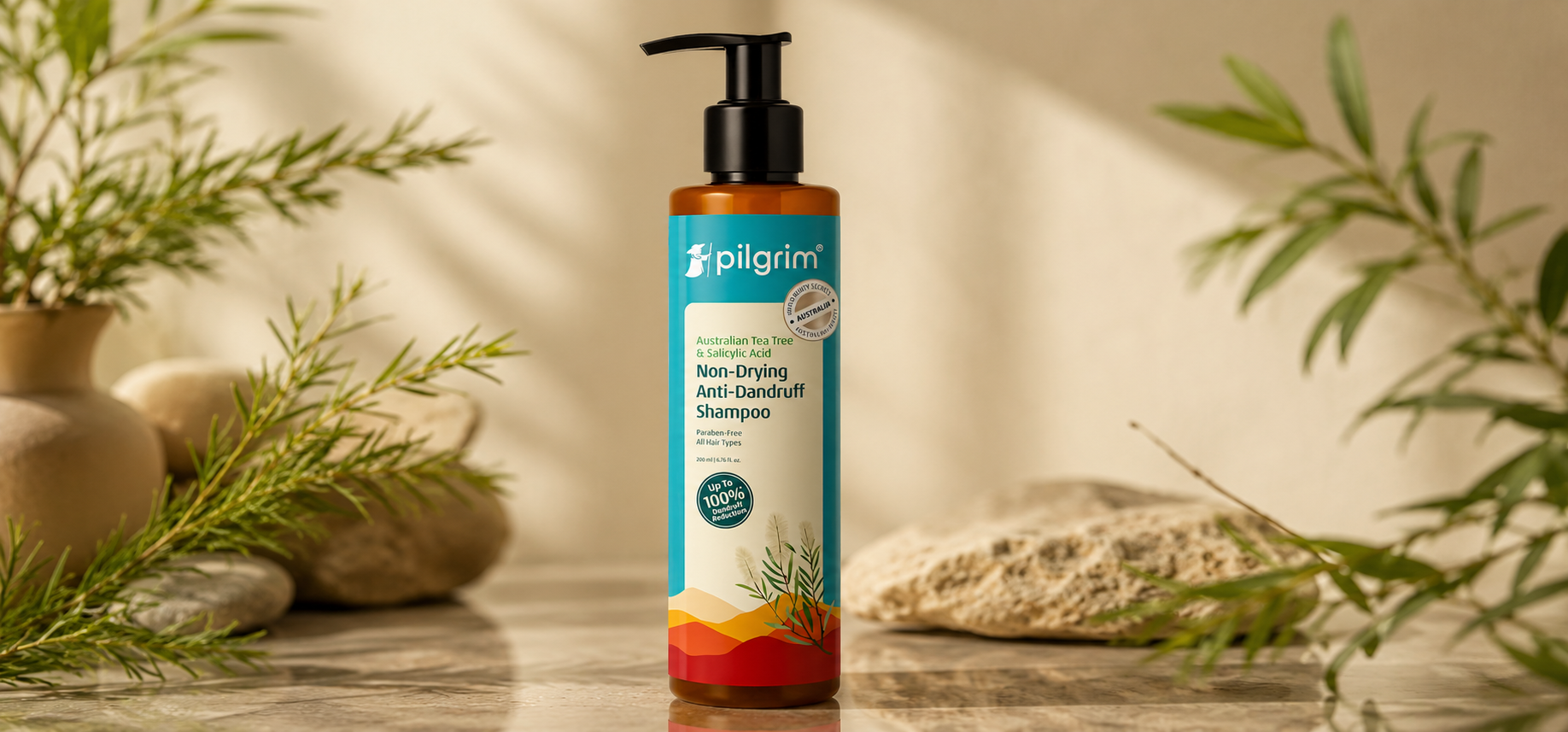
2. Pilgrim Australian Tea Tree Non-Drying Shampoo
Strength - Gentle
Key ingredient
Australian tea tree oil + salicylic acid + zinc pyrithione + piroctone olamine — a natural antifungal blended with proven actives.
Tea tree oil and the two antifungal actives target the dandruff-causing yeast, while salicylic acid gently exfoliates and lifts flakes. The conditioning, sulphate-free base is designed to clean the scalp without the dryness many dandruff shampoos cause.
Pros
Natural antifungal plus effective actives
Non-drying and conditioning
Sulphate- & paraben-free, vegan
Brand states it's dermatologically tested
Pleasant for regular use
Cons
Contains fragrance
"100% reduction" claim is for the full range, not the shampoo alone
Heavy or fungal dandruff may need something stronger
How to use
Apply to wet hair, massage into the scalp to form a lather, leave on for two to three minutes, then rinse thoroughly. Use regularly, a few times a week.
Consider it if
You have mild to moderate dandruff or an itchy scalp and want an effective but gentle, non-drying everyday shampoo.
Use carefully if
You have very sensitive skin (patch-test first), or your dandruff is severe and not responding — a medicated option or a dermatologist is the better route.
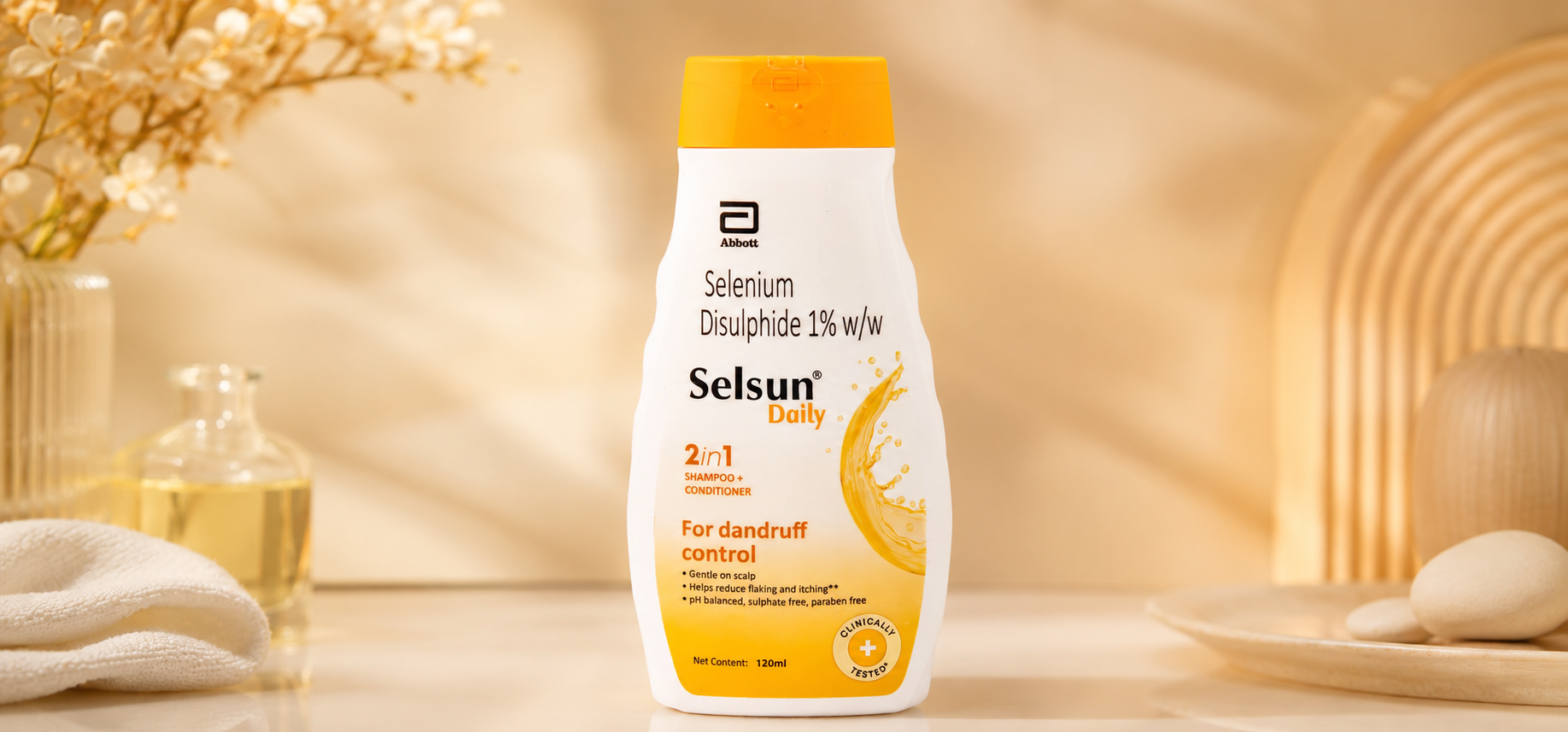
3. Selsun Daily Anti-Dandruff Shampoo
Strength - Mild
Key ingredient
Selenium sulfide (~1%) — the gentler, daily-use version of Selsun, not the stronger 2.5% medicated suspension.
Selenium sulfide fights the dandruff-causing yeast and slows the fast skin-cell turnover that creates flakes. At this lower strength, in a pH-balanced, conditioning base, it's designed to be gentle enough for frequent use, including on a dry scalp.
Pros
Suitable for daily use
Gentler than stronger selenium formulas
pH-balanced, sulphate- & paraben-free
Conditioning, less likely to dry hair
From a long-established brand
Cons
May be slow on heavy or stubborn dandruff
Can affect bleached or colour-treated hair
Remove metal jewellery before washing
How to use
Shake well, wet the hair, massage into the scalp and hair, then rinse. Formulated for regular, even daily, use — follow the pack directions.
Consider it if
You have a dry scalp, or want a gentle everyday shampoo to keep mild dandruff and flaking under control.
Use carefully if
You have heavily colour-treated or bleached hair, broken or irritated scalp skin, or you're pregnant or breastfeeding (check with a doctor first).
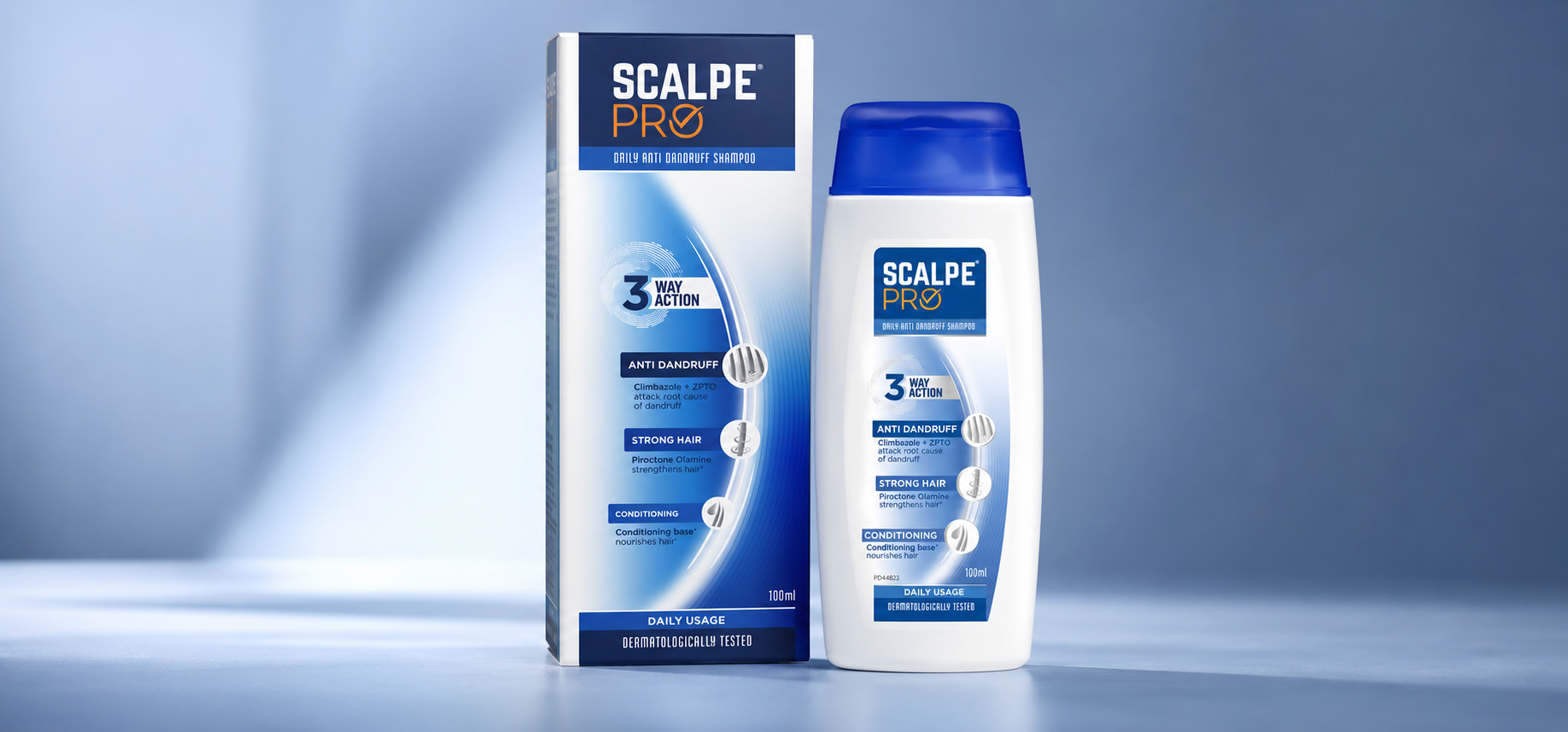
4. Glenmark Scalpe Pro Daily Anti-Dandruff Shampoo
Strength - Moderate
Key ingredient
Climbazole + piroctone olamine + zinc pyrithione — a triple-antifungal formula the brand describes as dermatologically tested.
Using three antifungal actives together targets the dandruff-causing yeast from more than one angle. Piroctone olamine is also said to support hair-shaft thickness, and the conditioning base aims to keep hair from drying out with regular use.
Pros
Triple-action antifungal formula
Conditioning base for daily washing
Targets dandruff and breakage together
Suitable for men and women
Cons
Still fairly strong — can dry some scalps
Contains fragrance, menthol and added colour
May not suit very sensitive or flaring scalps
How to use
Wet the hair, apply to the scalp, work into a lather, massage gently, then rinse thoroughly. Can be used regularly as directed on the pack.
Consider it if
You have recurring dandruff and also notice hair fall from breakage, and want a single product for daily care.
Use carefully if
You have a very sensitive scalp or an active flare-up where fragrance, menthol and colour might cause irritation.
Use carefully if
You have a very sensitive scalp or an active flare-up where fragrance, menthol and colour might cause irritation.
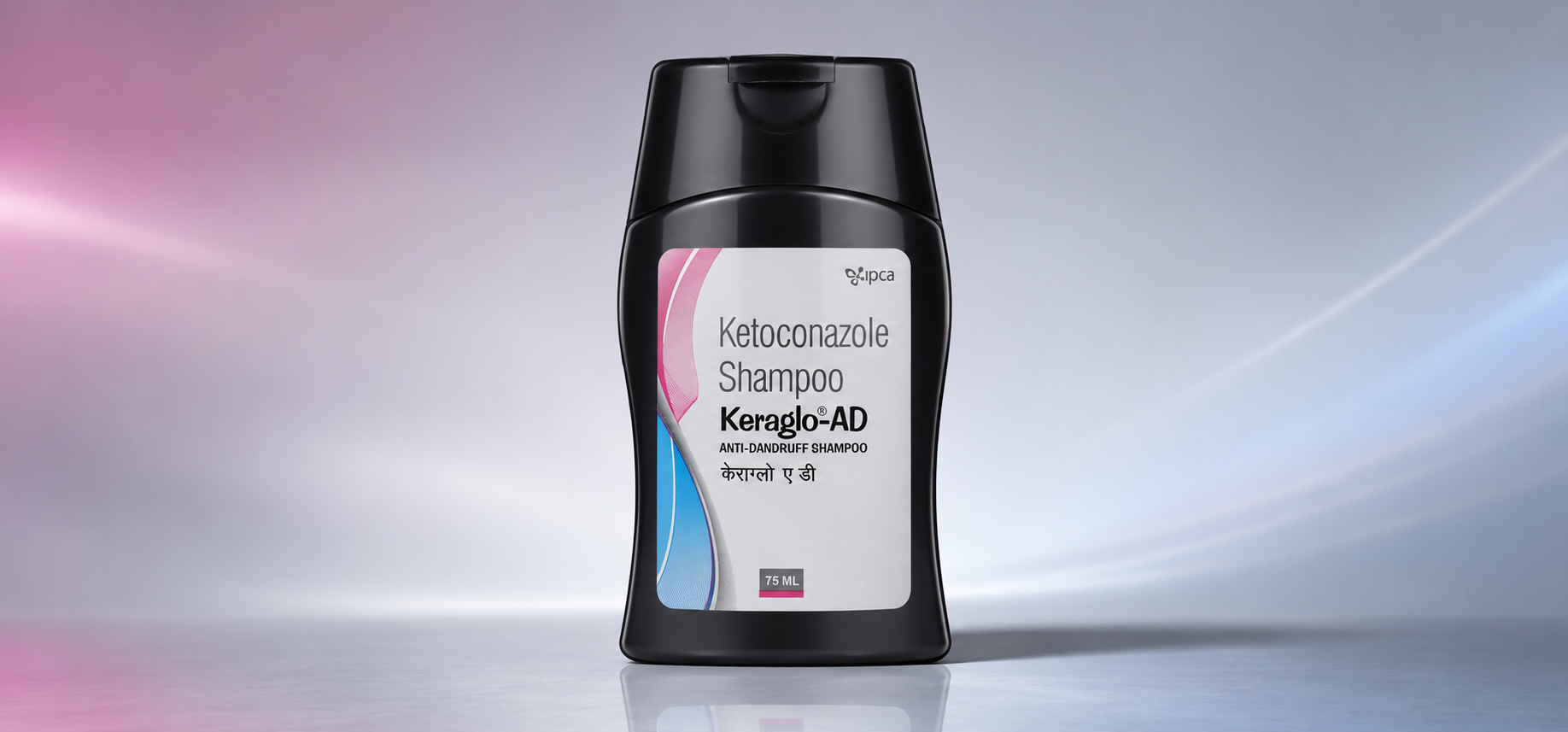
5. IPCA Keraglo-AD Anti-Dandruff Shampoo
Strength - Strong
Key ingredient
Ketoconazole 2% (medicated) — a strong antifungal in a conditioning base with soothing aloe vera and panthenol.
Ketoconazole is a powerful antifungal that goes straight after the Malassezia yeast at the root of dandruff, which is why it's often recommended when gentler shampoos stop working.
Pros
Strong, targeted antifungal action
Effective for stubborn, recurring dandruff
Only needs about two washes a week
Conditioning base helps reduce dryness
Cons
Medicated — best used on a doctor's advice
Can cause dryness, burning or redness
Not for under-12s or pregnancy without advice
How to use
Wet the scalp, apply a small amount, lather, leave on for three to five minutes, then rinse with cool or lukewarm water. Commonly twice a week for four weeks, then once a week or fortnightly. Follow the pack or your doctor.
Consider it if
Your dandruff keeps coming back or doesn't respond to milder shampoos, or you have a fungal, scaly scalp condition.
Use carefully if
You have a broken or inflamed scalp, you're pregnant or breastfeeding, or the user is a child under 12 (seek medical advice first). No improvement after about four weeks — see a dermatologist.
Use carefully if
You have a broken or inflamed scalp, you're pregnant or breastfeeding, or the user is a child under 12 (seek medical advice first). No improvement after about four weeks — see a dermatologist.
Quick comparison
Shampoo | Best for | Key ingredient | Main advantage | Use carefully if |
|---|---|---|---|---|
Oily scalp & flaky buildup | Salicylic acid + piroctone olamine (ZPT-free) | Exfoliates and controls oil without drying | Dry or sensitive scalp; menthol & fragrance | |
Everyday mild–moderate dandruff, itch | Tea tree + salicylic acid + ZPT + piroctone olamine | Effective yet non-drying and gentle | Very sensitive skin; severe dandruff needs more | |
Dry scalp, gentle daily control | Selenium sulfide (~1%) | Mild, conditioning, frequent-use friendly | Colour-treated hair; broken skin; metal jewellery | |
Recurring dandruff with breakage | Climbazole + piroctone olamine + ZPT | Triple-action with a conditioning daily base | Very sensitive scalp or active flare-up | |
Stubborn, recurring or fungal dandruff | Ketoconazole 2% (medicated) | Strong, targeted antifungal action | Broken scalp; pregnancy; under 12; overuse dries |
> Scroll the table sideways on mobile. Prices and pack sizes change often — check the current label before buying.
Our best recommendation
Since the best choice depends on your scalp, here's a simple way to decide rather than a one-size-fits-all answer.
Best overall
Bare Anatomy if your scalp is oily or prone to buildup — salicylic acid plus piroctone olamine in a gentle, non-drying base. Prefer a natural-led option? Pilgrim Tea Tree is just as good for mild–moderate dandruff and itch.
Best value
All five sit in a similar mid-price band, not the ultra-budget range. Scalpe Pro tends to be the most economical for how much active it packs, and the larger Bare Anatomy or Pilgrim bottles lower the per-wash cost.
Best for severe
IPCA Keraglo-AD, with 2% ketoconazole, is the strongest option here and most likely to help with stubborn, recurring or fungal dandruff. It's medicated and used twice a week — best alongside a dermatologist's advice.
Best for mild / upkeep
For a dry scalp, Selsun Daily is a gentle, conditioning everyday choice. For maintenance once a bad patch settles, the milder Pilgrim or Bare Anatomy keep flakes from creeping back.
How to use it correctly
Even the best shampoo will disappoint you if it's used the wrong way. The single biggest factor is contact time — the active ingredient needs a couple of minutes on the scalp to actually work.
Wet your hair thoroughly. Apply the shampoo to your scalp, not just the hair, since that's where dandruff forms. Massage it in gently with your fingertips, not your nails, and let it sit for the time on the label, usually a few minutes (longer for a medicated shampoo like ketoconazole). Then rinse properly so no residue is left. For strong medicated shampoos, two to three washes a week is often enough; daily use of a powerful formula can dry and irritate the scalp. Gentler formulas can be used more often. If your hair feels dry, use conditioner on the lengths and ends, away from the scalp. Once dandruff is under control, alternate a stronger shampoo with a gentle one to maintain results without overdoing the active.
Common mistakes to avoid
Many people unknowingly sabotage their own results. The most common mistake is rinsing too quickly, so the active never gets time to act. Another is applying the shampoo only to the hair instead of massaging it into the scalp where the flakes form. People also stop the moment things improve, only for the dandruff to return within a couple of weeks — these shampoos manage dandruff rather than permanently cure it.
On the other end, some overuse strong medicated formulas every single day, which leaves the scalp dry, tight and irritated and can make flaking look worse. Ignoring warning signs like burning, redness or worsening irritation is another mistake — that's a signal to stop and reassess. And many keep switching shampoos for months instead of seeing a dermatologist when nothing is working, delaying proper treatment for what might be a different scalp condition.
When to see a dermatologist
Anti-dandruff shampoos are great for ordinary dandruff, but they aren't the answer for everything. See a dermatologist if you have intense itching, redness, bleeding, oozing or pus on the scalp, thick crusty patches or scales, or noticeable hair fall along with the flaking. You should also see a doctor if your dandruff simply doesn't improve after four to six weeks of using a suitable shampoo correctly.
People who have — or suspect they have — conditions such as psoriasis, eczema, seborrheic dermatitis or a recurring scalp infection should consult a dermatologist rather than relying on shampoo alone. These can look like dandruff but need different treatment. There's no harm in getting your scalp checked; an expert can confirm what's going on and recommend the right product or medicine.
Practical tips to control dandruff
Beyond shampoo, a few simple habits make a real difference. Wash your hair regularly — roughly two to three times a week for most people — so oil and dead skin don't build up. Try not to leave heavy hair oil sitting on the scalp for long stretches, since excess oil can feed the yeast; if you oil your hair, wash it out reasonably soon. Use lukewarm water rather than very hot water, which can dry and irritate the scalp.
Look after the basics too. Manage stress where you can, get enough sleep, and eat a reasonably balanced diet, since overall health reflects on your scalp. Avoid sharing combs, brushes and towels, and clean your comb regularly. Resist scratching, which worsens irritation and can break the skin. Go easy on heavy styling products that build up, and in hard-water areas, rinse thoroughly so residue doesn't linger.
The takeaway
Dandruff is common, manageable, and nothing to feel embarrassed about. The key is to match the shampoo to your scalp: a gentle, non-drying salicylic-acid or tea tree option for mild everyday flaking, a conditioning selenium sulfide shampoo for a dry scalp, and a stronger antifungal like ketoconazole for stubborn, recurring dandruff. Whatever you choose, give it enough contact time, use it consistently rather than giving up after a week, and avoid overusing strong formulas.
If your scalp is painful, bleeding, heavily scaled, losing hair, or simply not improving despite doing everything right, treat that as your cue to see a dermatologist rather than buying yet another bottle.
Disclaimer: This article is for general information only and is not a substitute for professional medical advice. Product names, ingredients and availability can change, so always read the current label. If you have a serious or persistent scalp condition, please consult a qualified dermatologist.
0 comments